For Orlando business owners weighing locksmith options, practical experience and clear expectations matter and this article provides them. You will get realistic expectations about response times, typical costs, common commercial hardware, and practical tips for vetting a 24/7 or emergency commercial locksmith in Orlando. This guidance is drawn from hands-on locksmith and property management experience and focuses on the real questions dispatchers and building managers ask.
What to expect from a commercial locksmith in Orlando.
A commercial locksmith handles more than standard residential lockouts and basic key copies. Expect them to install and maintain mortise locks, panic hardware, exit devices, master key systems, and electronic access controls. The trade often includes door closers, electric strikes, magnetic locks, and low-voltage wiring for access control panels.
Experienced professionals are familiar with local building and fire codes that dictate hardware selection, signage, and egress requirements. If a panic bar or exit device is installed incorrectly, the liability can fall on the business owner and the unit may fail during an emergency. Expect a qualified technician to ask about your occupancy class, egress paths, and current master key layout before proposing a plan.
Response times and what emergency locksmith service really looks like.
When you call for a commercial lockout or a broken panic device after hours, response windows vary based on workload and location. In central Orlando a technician might arrive in 20 to 40 minutes for true emergencies, and on the outskirts that could stretch to 45 to 90 minutes. For life-safety faults, label the request as priority, document the hazard, and require a temporary compliant solution while planning a permanent repair.
Keep in mind emergency calls often carry after-hours fees and a higher hourly rate because the technician must interrupt other work or travel during low-staff hours. A reliable provider will disclose callout fees, travel fees, and hourly rates up front so you can decide whether to accept emergency service.
Questions to ask when evaluating a commercial locksmith.
Ask for proof of business registration and a physical service address rather than only https://smartlockavee978.iamarrows.com/on-demand-24-hour-locksmith-for-home-emergency-rekeying a mobile number. Insurance and bonding are non-negotiable for commercial work; request a COI showing general liability and worker compensation for on-site staff. Property managers should have the locksmith list them as a certificate holder to simplify risk review.

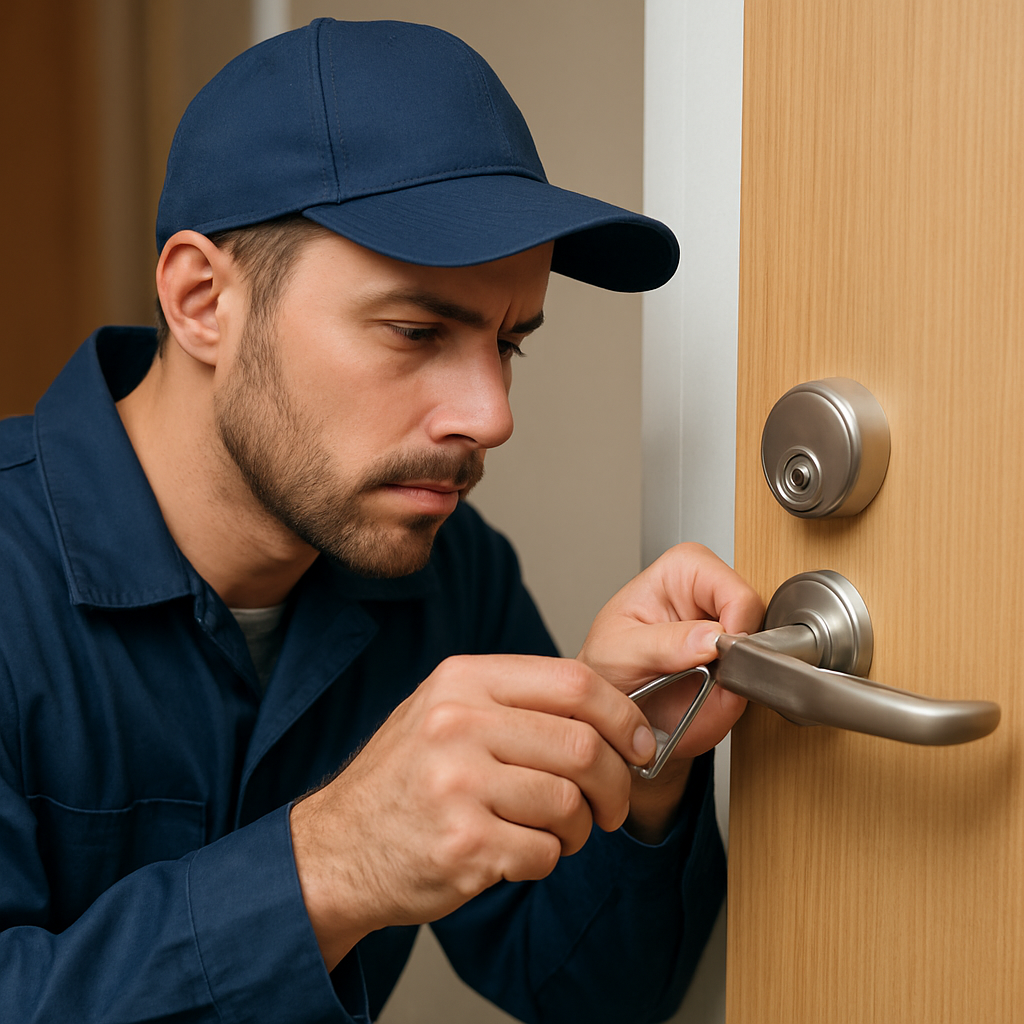
Seek references from other businesses the locksmith has served, because commercial projects have different constraints than homes. Ask about their experience with specific systems you use, such as Lenel, ASSA, Schlage Primus, or electrified panic hardware. Prefer firms that can show manufacturer training or authorization for the access control gear they will service.
Understanding commercial locksmith costs in Orlando.
Costs vary by job size, hardware grade, and timing, especially when service is required after normal hours. As a ballpark, a technician call during business hours for a simple cylinder change or rekey might be $120 to $250 in labor plus parts. More complex jobs, like installing an electrified lockset or a small access control panel, tend to start in the $600 to $1,500 range when labor and parts are combined.
After-hours emergency calls often carry a callout fee of $75 to $200 plus an elevated hourly rate in many markets. Avoid invoice surprises by negotiating emergency rates and service tiers up front and capturing them in a vendor contract. Get a written quote for substantial jobs and insist that any temporary compliance measure be documented so it does not become permanent by oversight.
Mistakes I see often with building managers and how to prevent them.
Managers often pick the lowest bid without verifying commercial experience or insurance, which leads to problems later. Another misstep is allowing a temporary shim or wedge to remain after a same-day fix without scheduling the permanent repair. Make follow-up scheduled repairs a policy and put them on a maintenance calendar with reminders for the vendor and your team.
Managers also sometimes accept a quote verbally and assume the hardware order will match the job; always get itemized proposals. Require part numbers, finishes, and function descriptions in the proposal and confirm lead times for nonstock components. Small technical mismatches such as wrong backset or core format change the installation and the price, so verify fitment before approving work.
When and why to upgrade commercial locks and access control.
If you operate several doors or locations, a hierarchical master key system reduces key clutter and simplifies rekeying after turnover. Electronic control pays back when you must manage frequent staff changes, grant temporary access, or retain entry logs for audits. Upgrading to ANSI grade 1 or grade 2 commercial hardware increases durability for high-traffic doors and reduces replacement frequency.
In environments that need controlled egress, delayed egress devices provide a balance of security and code compliance when used appropriately. Also evaluate simple networked access readers that plug into your existing network and use PoE to reduce low-voltage wiring complexity. Expect the locksmith to explain tradeoffs between wiring cost, cloud subscription fees, and local versus cloud control of access systems.
Documentation, key control, and record-keeping best practices.
Keep a service log that lists date, technician, tasks completed, and parts or model numbers for future reference. Maintain a key issuance log with recipient name, key number, date, and the authorization source for accountability. Master key charts and blank keys should be kept under strict control, with access logs for any retrieval.
Export and archive access logs from electronic systems on a scheduled basis to preserve an audit trail for incidents. Pair hardware controls with policy, such as deactivating badges within 24 to 48 hours after termination to limit exposure from lost credentials.
Choosing between a local mobile provider and a national franchise.
Local providers tend to know the area, have established relationships, and can often reach sites faster during typical work hours. Larger chains can maintain stock and standardized policies but may suffer slower localized dispatch and less on-site flexibility. When selecting a long-term vendor choose a local fleet that documents backup coverage for vacations and emergencies.
For portfolios consider a primary local locksmith and a backup arrangement with larger firms for warranty or manufacturer-level service. Write response expectations and emergency commitments into vendor contracts so you can enforce performance metrics.
Pre-contract checklist for commercial locksmith agreements.
Make sure the company has valid business registration, insurance coverage, and at least three commercial references from local work. Ask for an itemized estimate including part numbers, finish options, labor time, and delivery expectations for ordered hardware. Include emergency fees and SLA response windows in a written agreement so billing and expectations are clear during incidents.
Agree on a review schedule, such as every three to six months, to cover past work, planned upgrades, and recurring maintenance needs. Ensure on-site personnel know how to check exit hardware and that they report failures immediately to the locksmith vendor.
What matters most is finding the right mix of price, response reliability, and technical experience, and then putting it in writing to minimize surprises. If you follow the vetting steps here and require clear insurance, references, and itemized proposals, you reduce legal exposure and improve uptime for your business. If a recommendation sounds unclear, insist on seeing the exact parts and a plain-language explanation before signing off on work.