If your door jammed at midnight and the hallway light is just a pool of orange from a streetlamp, you are not alone. This piece walks through when to call a 24/7 emergency locksmith, what technicians actually do on scene, and how to avoid common mistakes. I will share clear actions, expected timeframes, and the questions that will help you choose a reliable technician when a cylinder or latch refuses to cooperate.
Quick checks that tell you whether to wait for a technician
If the key goes in but turns with mushy resistance or not at all, that is a good signal to stop and call a locksmith. Household improvisation can shear off remaining pieces, ruin the cylinder, or damage https://doorlockbcvy502.raidersfanteamshop.com/on-demand-24-hour-locksmith-for-motor-trunk-and-glove-box-lockouts the door frame and jamb beyond a simple fix. If you are locked out at night and there is a safety concern, call a 24 hour locksmith; if the situation is non-urgent, you can wait until morning and seek multiple quotes.
What a 24 hour locksmith Orlando will likely do on arrival
A good locksmith inspects the entire door, jamb, and lock before any tool touches your hardware. If the door is swollen from humidity or the frame is crooked, the locksmith will tell you that the lock might not be the real problem and suggest easing the fit or rehanging the door if necessary. A locksmith will extract broken keys with specialized tools and then advise whether rekeying the cylinder or swapping to a new lock is the prudent choice.
How pricing works for late-night lockouts
Expect a nighttime or holiday call to carry an added trip fee in addition to labor and parts, and that surcharge can be a noticeable portion of the bill. A straightforward unlock during regular hours might be relatively economical, but an after-hours extraction and rekey will usually increase the final invoice. When parts are required, expect separate charges for the cylinder or new deadbolt, and always ask whether the quoted parts are grade 1, 2, or 3.
Red flags that should make you hang up and call someone else
Request identification, a license if your state or county requires one, and a written estimate that includes callout fees and hourly labor before the tech starts work. If the person on the other end of the line refuses to give a price range or pushes cash-only with no receipt, that is a strong warning sign. Legitimate locksmiths will often ask a few verifying questions about the property to confirm you are the owner or occupant; that balance between identity verification and urgent help is routine.
Non-destructive entry methods explained
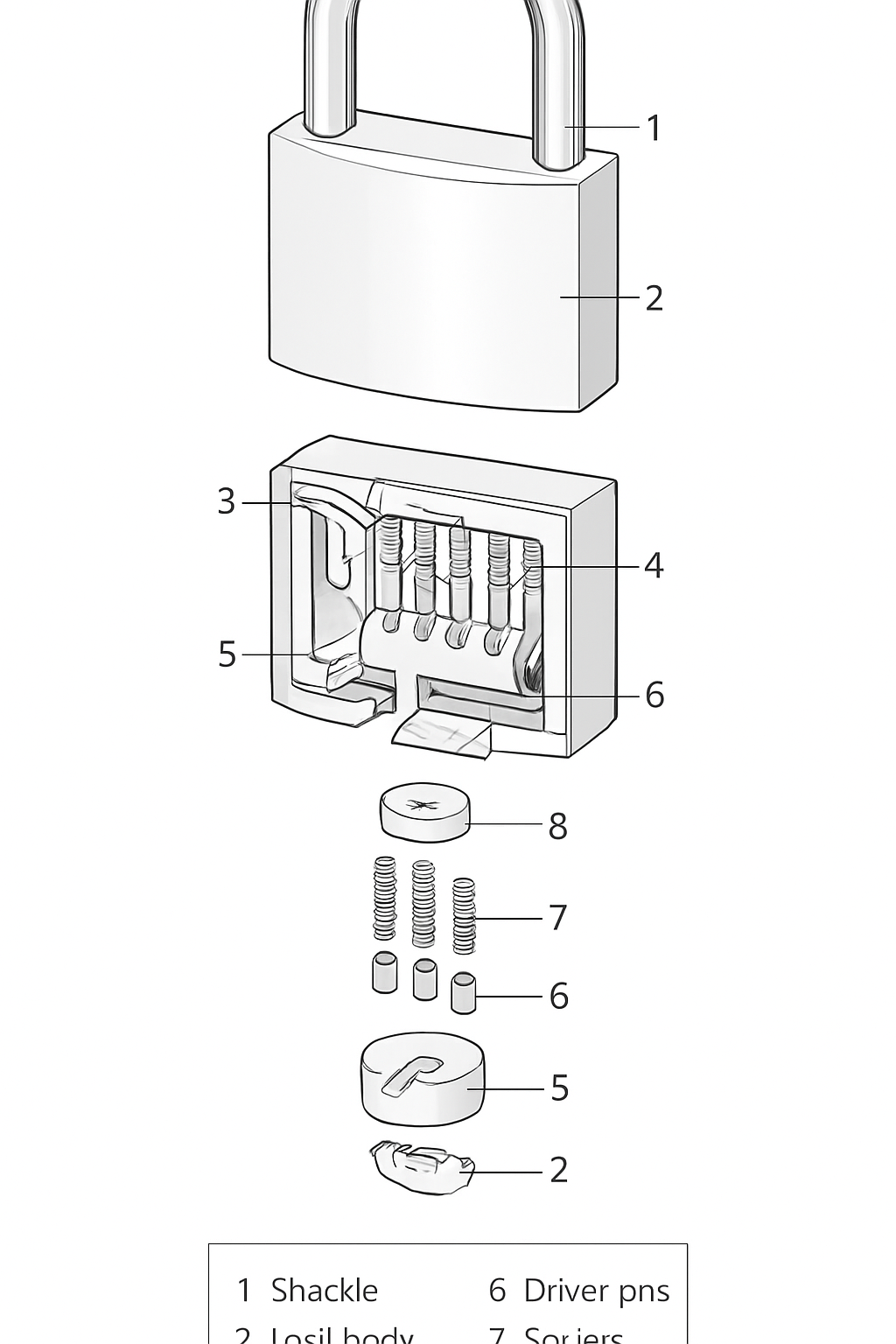
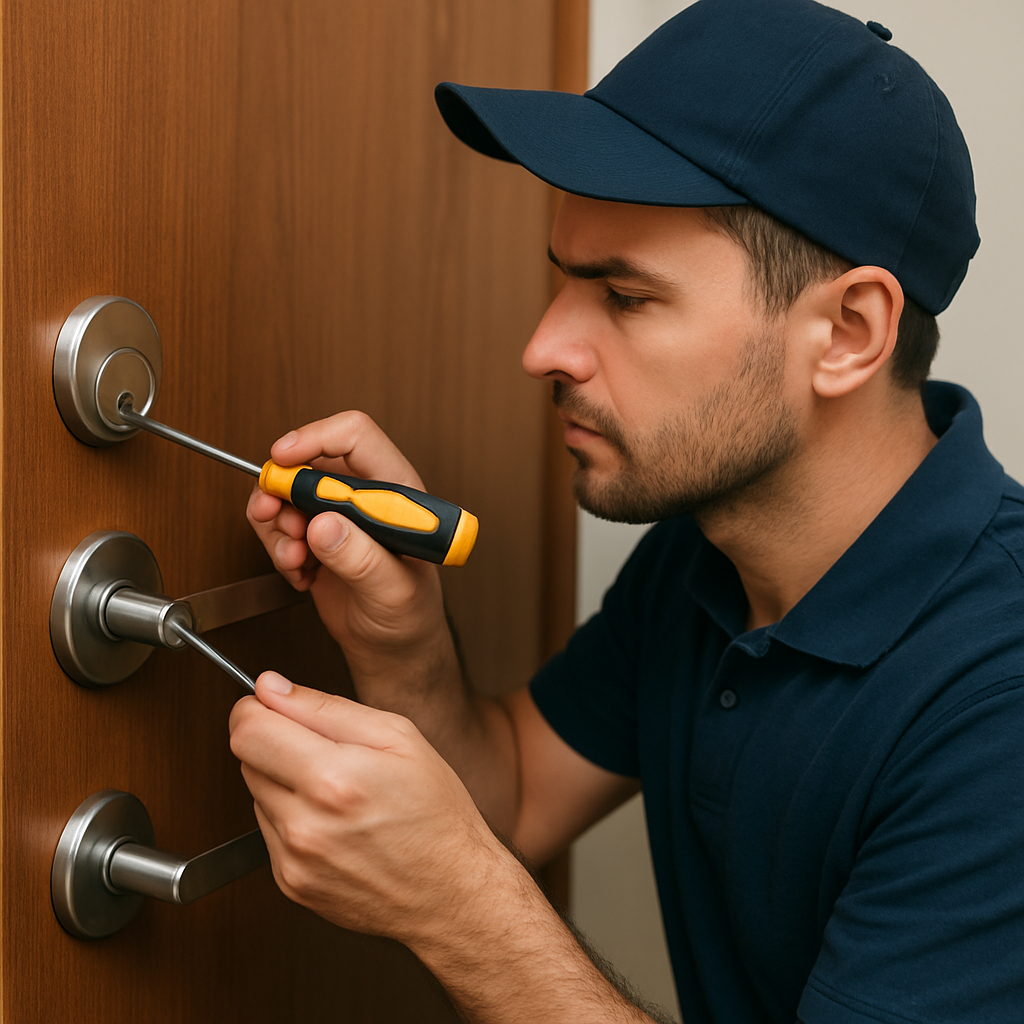
Experienced technicians carry specialized picks, narrow jigs, and electronic tools that work around a lock without causing damage. There are legitimate reasons to move to destructive methods, such as a cracked cylinder or internal shear that prevents bypass, and the technician should explain why that route is necessary. A reasonable technician will outline steps: initial non-destructive attempts, then controlled destructive measures only if required, and a replacement plan so you know costs and outcomes.
Stories that illustrate trade-offs and judgment
Once I arrived for a midnight call and found an elderly woman with a snapped key in a vintage cylinder; the removal took 20 minutes and a new cylinder solved the problem. I have also seen houses where humidity swelled the door seasonally, and a trim shave and strike adjustment restored function without new hardware. The takeaway from several nights on call is that restraint and a proper assessment beat improvised force, and that technicians who communicate clearly reduce surprises.
Small investments that pay off
If keys get lost often, consider a coded entry that you control digitally while keeping a conventional cylinder for emergencies. Seasonal checks for swelling, loose screws, and strike plate alignment stop many small problems from becoming emergencies. Make spare keys and keep them in secure, well-chosen places rather than under a plant pot with predictable hiding spots.
What to ask about lock grades and warranties
Ask for ANSI/BHMA grade information and prefer higher grades for exterior doors that require more resistance to force. Good installation details matter more than cosmetic trim, and a reputable locksmith will prioritize structural reinforcement. A clear written warranty on parts and service protects you if a newly installed cylinder fails prematurely or if the technician's work leads to issues.
What to do if you must wait outside
While awaiting help, stay in a safe, dry area and let someone know your location and expected arrival time of the technician. Do not let anyone work without clear identification and a signed acceptance of the total price and scope of work. A readable house number and a charged phone cut response time and reduce the chance of the technician running late or missing the house.
Final decisions: repair, rekey, or replace
Rekeying is efficient when the hardware is intact and you only need new keys for security reasons, and it is cheaper than a new lock. A replacement makes sense if wear, multiple failed repairs, or a forced entry compromised the lock's integrity. Choose the path that aligns with your budget, risk tolerance, and plans for the property rather than the quickest fix alone.
If you remember nothing else, keep these three practical rules handy: verify identity and price before any work, prefer non-destructive methods first, and get warranties in writing. A steady, informed call for help and a technician who explains options will keep the bill reasonable and the door secure. A little preparation now shortens response time later, so note the key facts the locksmith will ask for and have them ready during an emergency call.